The Little-Known Benefits To 18 Wheeler Lawyers Near Me


18 Wheeler Accidents Lawyers Near Me
If you or a loved one was injured in an accident with the massive truck or a large truck, you could be entitled to compensation. However, getting settlements isn't always easy.
To get the money you deserve will require a seasoned attorney. You need a lawyer with experience and knowledge of the trucking industry, which includes regulations and technology, insurance, and other practices.
Jackknife Accidents
If a truck driver hits another vehicle, the trailer might swing sideways causing damage to the other vehicle. This is referred to as a "jackknife." These crashes can be fatal.
Jackknife accidents are more common than you think, and they occur in over five percent of all truck accidents. They can cause serious personal injuries and fatalities.
It's not surprising that those involved in these kinds of accidents should seek immediate medical care. It's crucial to keep in mind that there are many ways to prevent these accidents.
Avoiding a jackknife can be as easy as reducing your speed and steering slowly. This is especially true if you're traveling through a city or a rural area with many vehicles.
Be aware of the weather conditions you'll encounter while you're driving. If there's excessive rain or snow roads could become slippery and you could slip or slide.
In these situations the braking system of a truck driver might not be able stop the trailer fast enough. Even brakes of high quality will not be able to stop a tractor, when paired with the size and speed of trucks (up to 80,000 lbs).
As a result the trailer may continue to move, and then hit the cab. The cab, then could fold in the front of the trailer and then swing sideways, forming the appearance of a jackknife.
If you or someone you love was injured in a jackknife collision it is recommended that you seek the assistance of an experienced truck accident lawyer to pursue compensation. The lawyer will assist you determine your liability and gather the evidence necessary to support your claim.
Faulty Loads
Truck accidents are often caused by defective loads. This can be due to unloaded trailers, cargo not secured properly, and cargo that is too big for the vehicle. No matter what the cause these scenarios are risky and can lead fatal accidents.
The best way to prevent the possibility of a damaged load is to inspect the trailer before it leaves the dock. It is important to be aware of any snags or holes.
Another method to avoid faulty loads is to make sure your loading dock is secure from other vehicles. The proper safety measures will prevent accidents and help you save money on insurance costs.
Other common hazards in the weighing sector must also be taken into consideration. 18 wheeler accident law firm fort smith and electrical currents can affect the capacity of your load cell to transmit signals through the cable.
Finally, water vapor can block pathways in your equipment, including your scales. The best method to deal with this is by investing in a hermetic ceiling or finding waterproof housing for your load cells.
The best 18-wheeler accident lawyer will assist you in proving your case and identify the damage you've suffered. This will allow you to receive the compensation that you need for medical expenses, lost wages and suffering and pain. A lawyer on your side will provide peace of mind as you recuperate from your injuries and rebuild your life. Call 1-800-THE-LAW2 to get your free consultation with a knowledgeable attorney for accidents involving 18 wheels today! You will not regret it. The money you've earned will allow you to concentrate on recovering while making ends to the day.
Wide Turns
Wide turns are a dangerous move for large trucks. Tractor trailers can weigh between 10,000 and 80,000 pounds and can be up to 48 feet long. This makes it challenging for drivers of large trucks to navigate through the space required to safely complete a turn.
A truck driver should be able make an right-hand turn without swinging into the left side. This can cause the truck to swerve into other lanes, collide with another vehicle, or even to completely roll over.
These accidents can be catastrophic for everyone involved and result in devastating injuries or even death. However, crashes that involve wide turns are preventable if you know the risks and how to avoid them.
Many accidents involving wide turns occur when a truck attempts to make a right-hand turn on a two-lane road that has a different traffic lane. If this occurs, the truck needs to swerve into the opposite traffic lane to complete the turn.
If you've been injured in a wide turn accident, you should contact an 18 wheeler accidents lawyer near me as soon as possible to preserve evidence and take action. This will help you prove your case and make the truck driver accountable for your injuries.
The trucking company also may be held accountable in some way for your accident. This could be due to the trucking business hiring and training, or supervising the driver in a negligent way.
The companies need to have the proper maintenance to ensure their trucks are safe to operate. Inadequate brakes, tires and other maintenance problems can cause a wide-right turn trucking accident.
Blind Spots
Every vehicle has a blind spot which is a space which isn't visible to the driver's eyes. These areas can be extremely dangerous and may lead to an accident.
Truck drivers have more blind spots than motorists on motorcycles or cars because their vehicles are larger. This increases their chance of hitting a pedestrian or another vehicle that is hidden in these areas.
It is important to be aware of the location of your blind spots. When you're driving or changing lanes, it's essential to know where these blind spots are so that you can conduct a proper shoulder and mirror check before you move over.
These spots can be huge and completely block your view of motorbikes and other vehicles. This makes it difficult to see. This is especially risky during conditions of severe weather, when you may not see clearly.
You can avoid accidents that involve blind spots by taking the time to be aware of these areas prior switching lanes or pulling away from the curb. Even even if your driving skills are not the most advanced this is a great method to avoid accidents.
Truck drivers should take the time to examine their blind spots prior to changing lanes or turning. They should be aware that they have to be able turn wide when making the turn, which could create a dangerous area for vehicles passing through their blind spots.
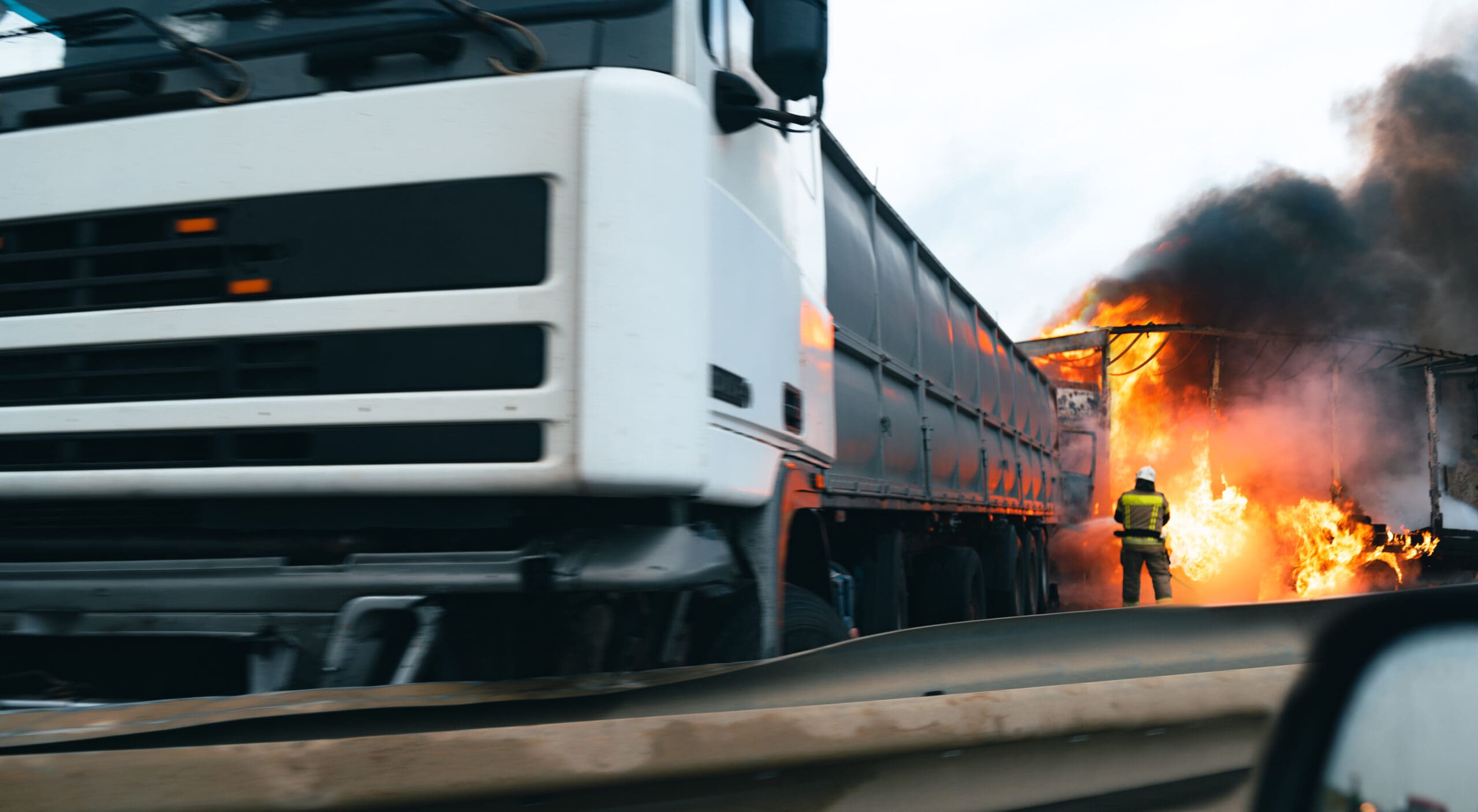
Truck Tires
The tires on your truck may affect the road's traction, comfort, noise, tread life and durability. The kind of truck tire you pick will depend on several factors including the climate of your region and your driving habits, as well as the kind of vehicle you own.
Truck tires are usually divided into two types two types: Light Truck (LT) and Passenger (P). These tires are typically fitted to passenger vehicles or pickup trucks that are light-duty like 3/4 and one-ton pick-ups.
Tires for LT and P trucks are optimized for comfort, safety, and road handling. They are suitable for rear-wheel drive and all-wheel drive trucks. They also provide excellent grip on wet, dry or winter roads.
Commercial truck tires are generally constructed with a single steel body plies and 3 or 4 steel belts beneath the tread. They are designed to last for hundreds of thousands of miles, after which they can be retreaded and placed back to service for more.
However, while the majority of passenger car and light truck tires have service life guidelines that state they should be taken out of service after 10 years, we have been unable to locate any such recommendations for commercial truck tires.
The best way to make sure your tires last longer is to take good care of them. This could include ensuring regular schedules for inflation pressure, tire inspection and replacement. This will stop blowouts in tires, and other serious accidents caused by negligent truckers or trucking companies. Keeping your tires properly maintained will also extend the life of your vehicle.